Skip to content
Colors For Earth, LLC
Contact Us
817-677-5020
Follow Us
Email
colorsforearth@gmail.com
Search for:
Home
Ceramic Products
Menu Toggle
Color Concentrates
Color Strokes
Glaze
Menu Toggle
Colored Glaze
Matt Glaze
Designer Lava Stone Glazes
Trendstone
Potters Stone
Raku Glazes
Dry Crystals
Specialty Products
Fired Art Supplies
Menu Toggle
Brushes
Menu Toggle
Clearance
Kilns
Stamps
Stencils
Molds
Menu Toggle
Ceramic Casting
Glass Saggers and Drapes
Menu Toggle
Petro Molds
Miscellaneous
Menu Toggle
Accessories
Bottles
Etchall
Textured Sand
Tools
Relief Motif
Stamps
Silk Screening
Menu Toggle
Ceramic
Glass
Designer Silk Screens
Holiday
Animal
Flowers
Cats
Butterflies
Gizmo
Horses
Miscellaneous
Dogs
Trees
Leaves
Shells
Fall
Brushes
Menu Toggle
Brush Stroke Tutorials
Sumi Brushes
Stencil Brushes
Kolinsky
Fans & Mops
Golden Onyx
Sable and Other
Specialty & Sumi
Duster & Hakes
Clearance
Education
Menu Toggle
Free Techniques
Video Tutorials
DVD’s
Learn Here
Menu Toggle
Technique Projects
Ceramic Technique Sheets (Class in a Bags)
Downloadable Projects
Glass Technique Sheets (Class in a Bags)
Retreats
Glass Enamels
Menu Toggle
G Series (Non‐Toxic)
BA Series (BubbleART)
GS Series – Sparkles
GZ Series Glitz
CC Enhancers
Glass Color Kits
Stamps
Murrini/Cane
Vitrigraph
North St. Stamping
Quick Reference Guides
Specialty Products
Menu Toggle
DB101-Detailing Black
De-Zigner’s
Layering Mix/Enamel Pours
Outline Products
Menu Toggle
GO’s Glass Outline
Low-Fire/No-Fire Piping Paste
Silk Screen Color
Relief Motif
Flexi-Glass Medium
Calendar
Blog
Menu Toggle
Glass Techniques
Ceramic Techniques
Brushstrokes
Acrylics
My Account
Sale
Gift Card
Featured Products
CFE Studios / Teachers
Refund and Returns Policy
Subscribe to our newsletter
Gift Card Balance
0 items
$0.00
Home
Ceramic Products
Menu Toggle
Color Concentrates
Color Strokes
Glaze
Menu Toggle
Colored Glaze
Matt Glaze
Designer Lava Stone Glazes
Trendstone
Potters Stone
Raku Glazes
Dry Crystals
Specialty Products
Fired Art Supplies
Menu Toggle
Brushes
Menu Toggle
Clearance
Kilns
Stamps
Stencils
Molds
Menu Toggle
Ceramic Casting
Glass Saggers and Drapes
Menu Toggle
Petro Molds
Miscellaneous
Menu Toggle
Accessories
Bottles
Etchall
Textured Sand
Tools
Relief Motif
Stamps
Silk Screening
Menu Toggle
Ceramic
Glass
Designer Silk Screens
Holiday
Animal
Flowers
Cats
Butterflies
Gizmo
Horses
Miscellaneous
Dogs
Trees
Leaves
Shells
Fall
Brushes
Menu Toggle
Brush Stroke Tutorials
Sumi Brushes
Stencil Brushes
Kolinsky
Fans & Mops
Golden Onyx
Sable and Other
Specialty & Sumi
Duster & Hakes
Clearance
Education
Menu Toggle
Free Techniques
Video Tutorials
DVD’s
Learn Here
Menu Toggle
Technique Projects
Ceramic Technique Sheets (Class in a Bags)
Downloadable Projects
Glass Technique Sheets (Class in a Bags)
Retreats
Glass Enamels
Menu Toggle
G Series (Non‐Toxic)
BA Series (BubbleART)
GS Series – Sparkles
GZ Series Glitz
CC Enhancers
Glass Color Kits
Stamps
Murrini/Cane
Vitrigraph
North St. Stamping
Quick Reference Guides
Specialty Products
Menu Toggle
DB101-Detailing Black
De-Zigner’s
Layering Mix/Enamel Pours
Outline Products
Menu Toggle
GO’s Glass Outline
Low-Fire/No-Fire Piping Paste
Silk Screen Color
Relief Motif
Flexi-Glass Medium
Calendar
Blog
Menu Toggle
Glass Techniques
Ceramic Techniques
Brushstrokes
Acrylics
My Account
Sale
Gift Card
Featured Products
CFE Studios / Teachers
Refund and Returns Policy
Subscribe to our newsletter
Gift Card Balance
0 items
$0.00
Colors For Earth, LLC
Main Menu
Search for:
Home
Ceramic Products
Menu Toggle
Color Concentrates
Color Strokes
Glaze
Menu Toggle
Colored Glaze
Matt Glaze
Designer Lava Stone Glazes
Trendstone
Potters Stone
Raku Glazes
Dry Crystals
Specialty Products
Fired Art Supplies
Menu Toggle
Brushes
Menu Toggle
Clearance
Kilns
Stamps
Stencils
Molds
Menu Toggle
Ceramic Casting
Glass Saggers and Drapes
Menu Toggle
Petro Molds
Miscellaneous
Menu Toggle
Accessories
Bottles
Etchall
Textured Sand
Tools
Relief Motif
Stamps
Silk Screening
Menu Toggle
Ceramic
Glass
Designer Silk Screens
Holiday
Animal
Flowers
Cats
Butterflies
Gizmo
Horses
Miscellaneous
Dogs
Trees
Leaves
Shells
Fall
Brushes
Menu Toggle
Brush Stroke Tutorials
Sumi Brushes
Stencil Brushes
Kolinsky
Fans & Mops
Golden Onyx
Sable and Other
Specialty & Sumi
Duster & Hakes
Clearance
Education
Menu Toggle
Free Techniques
Video Tutorials
DVD’s
Learn Here
Menu Toggle
Technique Projects
Ceramic Technique Sheets (Class in a Bags)
Downloadable Projects
Glass Technique Sheets (Class in a Bags)
Retreats
Glass Enamels
Menu Toggle
G Series (Non‐Toxic)
BA Series (BubbleART)
GS Series – Sparkles
GZ Series Glitz
CC Enhancers
Glass Color Kits
Stamps
Murrini/Cane
Vitrigraph
North St. Stamping
Quick Reference Guides
Specialty Products
Menu Toggle
DB101-Detailing Black
De-Zigner’s
Layering Mix/Enamel Pours
Outline Products
Menu Toggle
GO’s Glass Outline
Low-Fire/No-Fire Piping Paste
Silk Screen Color
Relief Motif
Flexi-Glass Medium
Calendar
Blog
Menu Toggle
Glass Techniques
Ceramic Techniques
Brushstrokes
Acrylics
My Account
Sale
Gift Card
Featured Products
CFE Studios / Teachers
Refund and Returns Policy
Subscribe to our newsletter
Gift Card Balance
0 items
$0.00
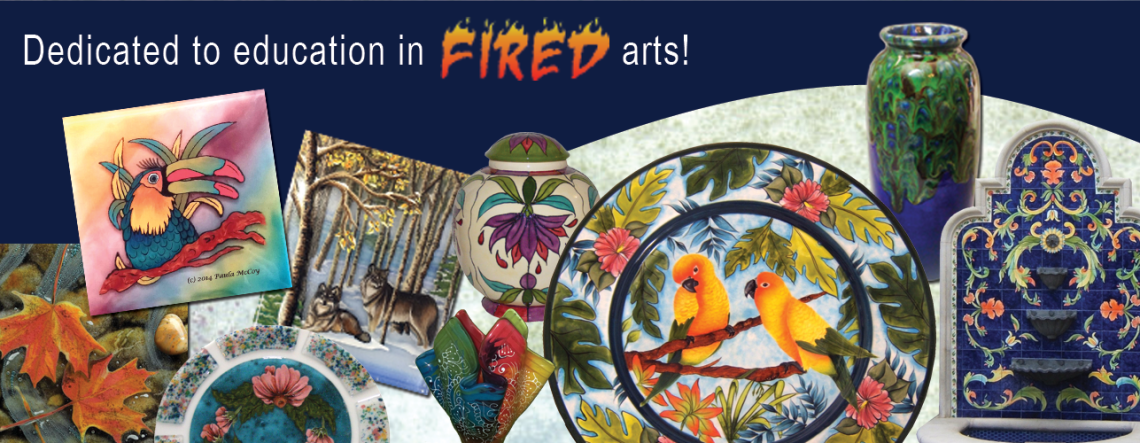
Dedication to Education in Fired Arts!
Shopping Cart
Scroll to Top